
Top Article:Dollar in Danger? The White House Declares Open War on the Fed.

The Battle for Control: The Future of Central Bank Independence
The stability of the modern financial system rests heavily on a single pillar: the independence of central banks. When investors believe that monetary policy is free from political interference, markets remain stable. However, recent events in the United States have threatened this delicate balance, raising questions about the future of the US Dollar and global interest rates.
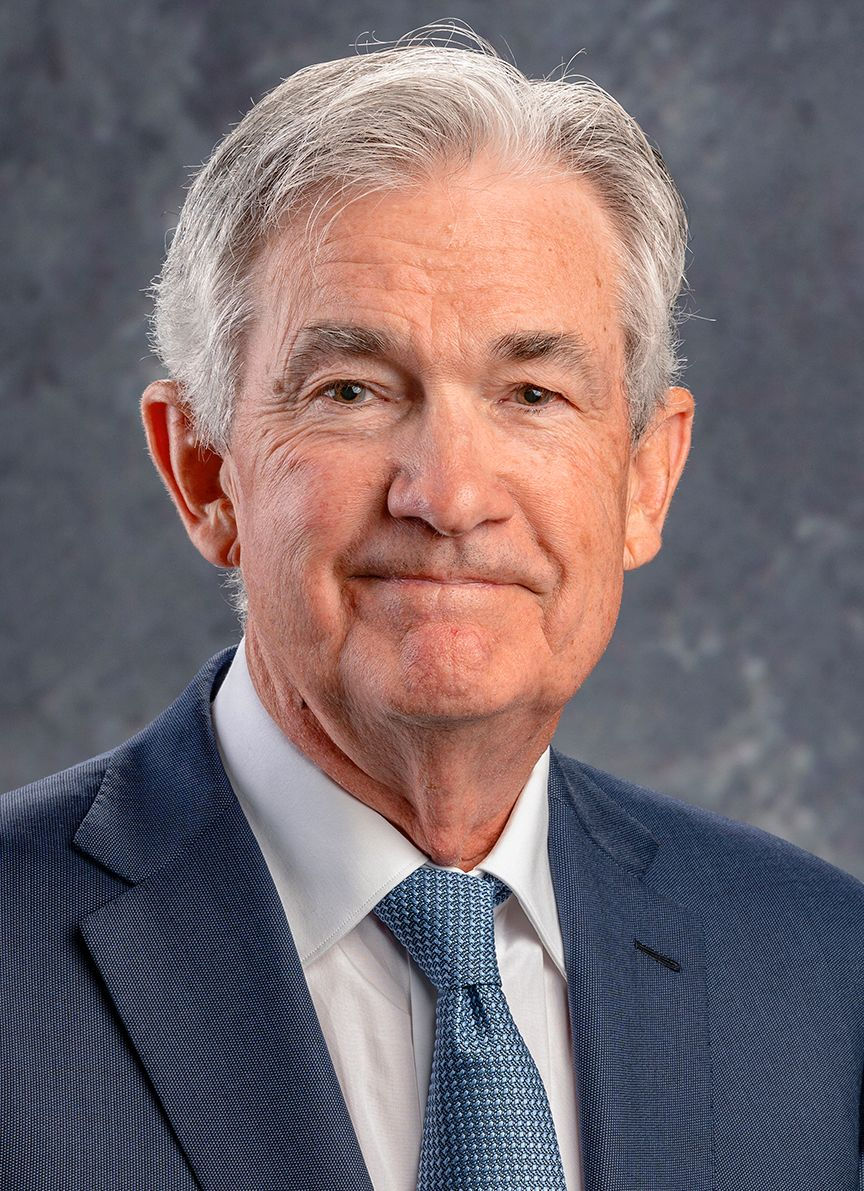
The Institutional Clash
White House vs. The Federal Reserve
The relationship between the Executive Branch and the Federal Reserve has reached a historic nadir, generating headlines across the financial world.
The Investigation: In an unprecedented move, the Department of Justice (DOJ) has opened a criminal investigation into Federal Reserve Chair Jerome Powell, ostensibly regarding administrative renovation costs. However, market analysts widely interpret this as a "pressure tactic" designed to force the Fed to cut interest rates ahead of the political schedule.
Powell’s Defiance: Chair Powell has publicly pushed back, asserting the Central Bank’s mandate to control inflation without political bias. This clash represents a stress test for US institutions, pitting executive power against technocratic independence.
Market Reaction
The "Flight to Safety"
Uncertainty at the top of the global financial hierarchy invariably drives investors toward assets that are perceived as immune to political risk.
The Rise of Alternative Assets: Assets traditionally viewed as "safe havens" have seen a massive surge. Gold prices have spiked, and Bitcoin has crossed the $92,000 threshold, as institutional capital seeks shelter outside the traditional US Dollar system.
Bond Market Jitters: The yield on US Treasury bonds—the benchmark for global borrowing costs—has seen increased volatility. If the Fed’s credibility is damaged, investors demand a higher return to hold US debt, which raises the cost of borrowing for everyone, from the US government to homebuyers.
Economic Consequences
Global Ripple Effects
The US Dollar is the world's reserve currency, meaning domestic US policy issues quickly become global problems.
Currency Wars: A politically manipulated Fed could lead to a weaker dollar, aimed at boosting US exports. This forces other nations to devalue their own currencies to stay competitive, potentially triggering a "race to the bottom" that destabilizes global forex markets.
Inflationary Risks: If the market believes the Fed is cutting rates for political reasons rather than economic ones, inflation expectations could become "unanchored," leading to higher prices for consumers in the long run.
Conclusion
The independence of the Federal Reserve is not just an abstract legal concept; it is the bedrock of trust in the global economy. As this institutional battle unfolds, understanding its impact on currency values and investment climates is crucial for anyone managing a portfolio or planning for the future.



Comments